 jekykeller@gmail.com
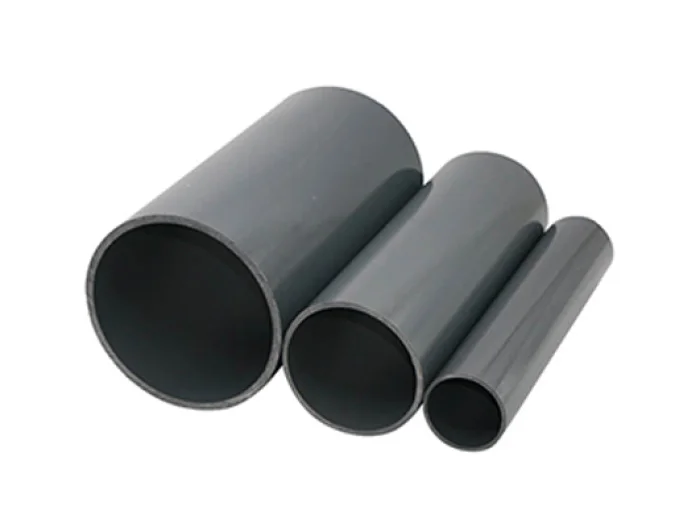
Choosing the exact piping formula can outline the lengthy-time period overall performance and safeguard of any water infrastructure mission. UPVC water pipe techniques have emerged as a reputable determination for municipal drinking water, agricultural irrigation, and sewage functions. Unlike classic components, UPVC combines toughness with corrosion resistance, minimizing repairs while ensuring compliance with brand new hygiene and safeguard requirements.
Why UPVC Pipes Are a Practical Choice
Urban water source networks face challenges which include fluctuating pressures, chemical publicity, and the want for lengthy service existence. UPVC pipe for water supply meets those calls for using a mix of material balance and engineered design. In practice, installations in residential neighborhoods instruct minimal leakage over years, even when working below pressures of 6 to sixteen bar. The rigid but lightweight nature of UPVC additionally simplifies transportation and decreases deploy labor when put next to steel picks.
Applications in Irrigation and Agriculture
For agricultural tasks, UPVC pipe for irrigation adds consistent water circulation with no infection risk. Farmers in semi-city areas in many instances record that desirable sized UPVC networks guard uniform distribution, no matter if delivering water to row crops or greenhouse tactics. Unlike metal or older PVC editions, UPVC resists algae buildup, which may disrupt drift and clog emitters. Additionally, its chemical resistance guarantees compatibility with fertilizers and water treatment ingredients.
Sewage and Wastewater Management
Handling sewage requires pipes that face up to corrosive resources and fluctuating temperatures. UPVC pipe for sewage meets these standards at the same time protecting comfortable interior surfaces that slash blockages. In municipal tasks, the pipes’ dimensional steadiness reduces joint rigidity, and standardized fittings simplify network enlargement or protection. Engineers regularly choose UPVC over average supplies because it balances structural integrity with lengthy-term rate potency.
Compliance and Standards
Quality and regulatory compliance are vital for public infrastructure. UPVC procedures conforming to ISO1452 make certain hygienic water shipping when minimizing chemical leaching. This fundamental additionally covers power scores, joint overall performance, and long-time period toughness. In observe, contractors applying qualified UPVC products record fewer assurance matters and smoother approvals from nearby authorities, reinforcing the material’s recognition for reliability.
Installation Considerations
Successful UPVC pipe deploy is dependent on appropriate planning and dealing with. Key issues encompass:
- Correct pipe sizing to match circulation quotes and pressure requirements
- Use of very good solvent cement or gasketed joints for leak-unfastened connections
- Adequate make stronger spacing to preclude sagging in horizontal runs
- Protection from direct daylight all the way through garage to cut back UV degradation
While the material is lightweight, installers observe that chopping and becoming a member of pipes calls for cautious alignment. Improper strategies can compromise force functionality or limit service life, significantly in top-upward thrust water distribution platforms or irrigation networks spanning quite a few hectares.
Performance Benefits
UPVC pipes combine various functionality benefits that lead them to ideal for varied applications:
- Corrosion resistance: No rusting or chemical degradation even in aggressive environments
- Longevity: Service lifestyles most likely exceeds 50 years in municipal and agricultural setups
- Low preservation: Smooth interior surfaces cut friction losses and clogging
- Cost effectivity: Lightweight pipes cut down installing and transportation costs
- Hygiene: Complies with ISO concepts for potable water delivery
Practical Insights from Field Experience
Field observations in city water tasks reveal that integrating UPVC pipe methods simplifies renovation planning. Valve replacements, network extensions, and emergency upkeep are swifter and safer when put next to metal alternate options. For irrigation tasks, the modularity of UPVC pipes makes it possible for phased deployment, letting farmers enlarge networks in response to seasonal water demands. Similarly, in wastewater techniques, glossy bore designs lessen pumping vigor and decrease sediment buildup, making recurring cleaning less wide-spread.
Choosing the Right UPVC Pipe
Selecting the proper UPVC pipe requires awareness to diameter, wall thickness, and supposed application. Engineers characteristically settle on thicker pipes for top-force mains at the same time as selecting smaller diameters in distribution or irrigation traces. Matching the pipe specification to regional water chemistry, float specifications, and soil circumstances ensures functionality sturdiness. Reliable providers also supply documentation verifying ISO1452 compliance, simplifying regulatory approval.
Conclusion
Whether for city water distribution, agricultural irrigation, or sewage management, UPVC pipes supply reliability, hygiene, and long-term settlement efficiency. By combining corrosion resistance, ease of install, and compliance with ISO specifications, they supply a practical solution throughout assorted purposes. For engineers and contractors seeking a flexible and sturdy piping components, exploring upvc water pipe selections is a sensible step towards green water leadership. Learn extra and review the entire product stove at UPVC Pipe for Sewage.
